
Bratislava – a city with a wine soul
Bratislava is a city with a soul of wine. Wine in Bratislava is not just a beverage, but a way of life to be enjoyed year-round.
Why a Trip to Bratislava is Worthwhile for Wine Lovers
Bratislava offers a unique wine tradition that dates back to the Middle Ages. King Andrew III granted the city tax exemptions on wine and spirits, which strengthened its economy and boosted its status as an important trading centre. Later, in 1767, Empress Maria Theresa praised the local Blaufränkisch and recognised it as a wine worthy of the imperial court. As a result, Bratislava became firmly associated with quality wine production.
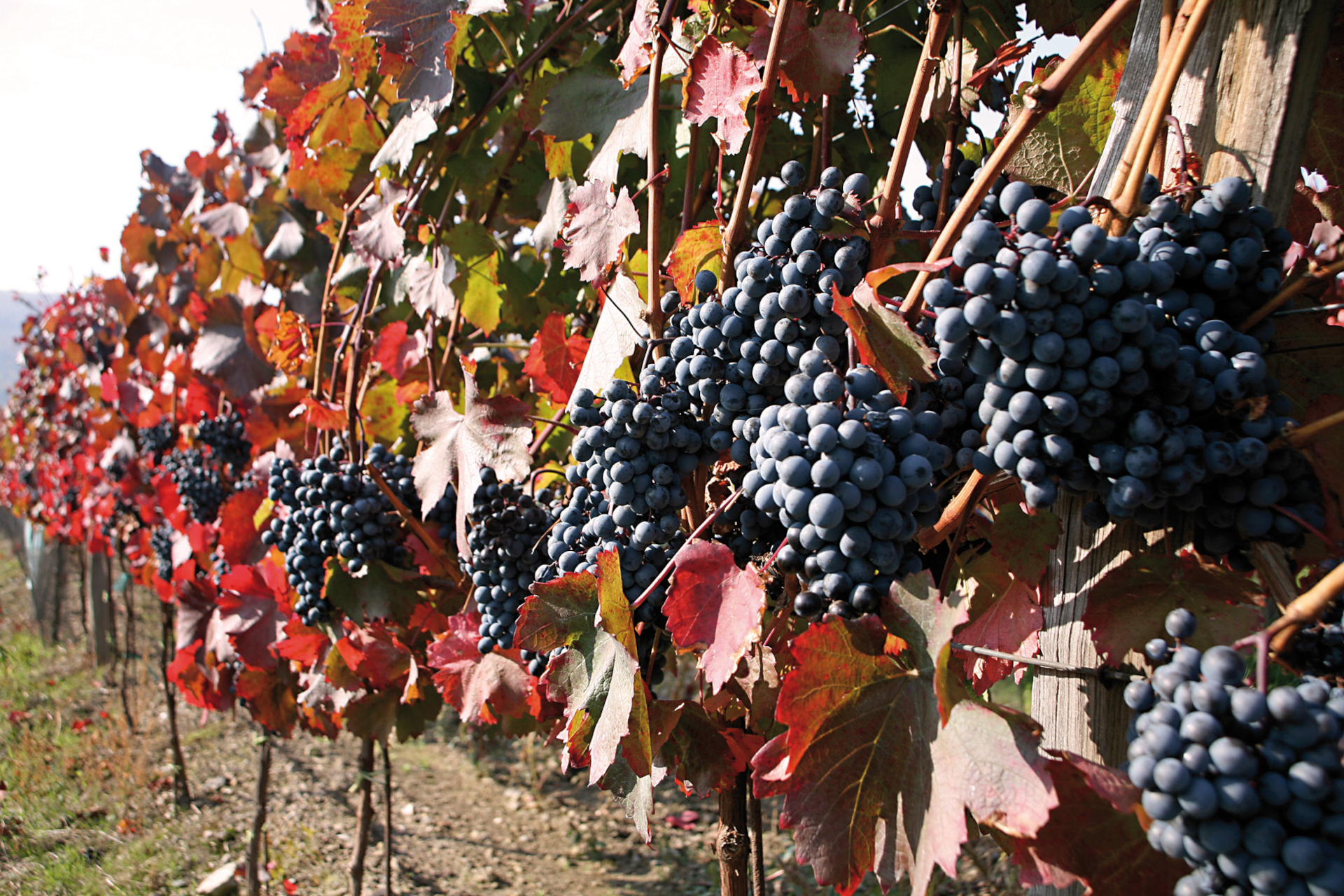
A typical local feature is the “Viecha” – a small wine tavern where winemakers once sold wine directly from their vineyards. To this day, these taverns represent an essential part of the city’s wine culture. According to historians:
“If you haven’t been to Montmartre, you haven’t been to Paris; if you haven’t been to the Prater, you haven’t been to Vienna; if you haven’t been to the castle, you haven’t been to Prague – and if you haven’t been under the Viecha, you haven’t been to Bratislava.”
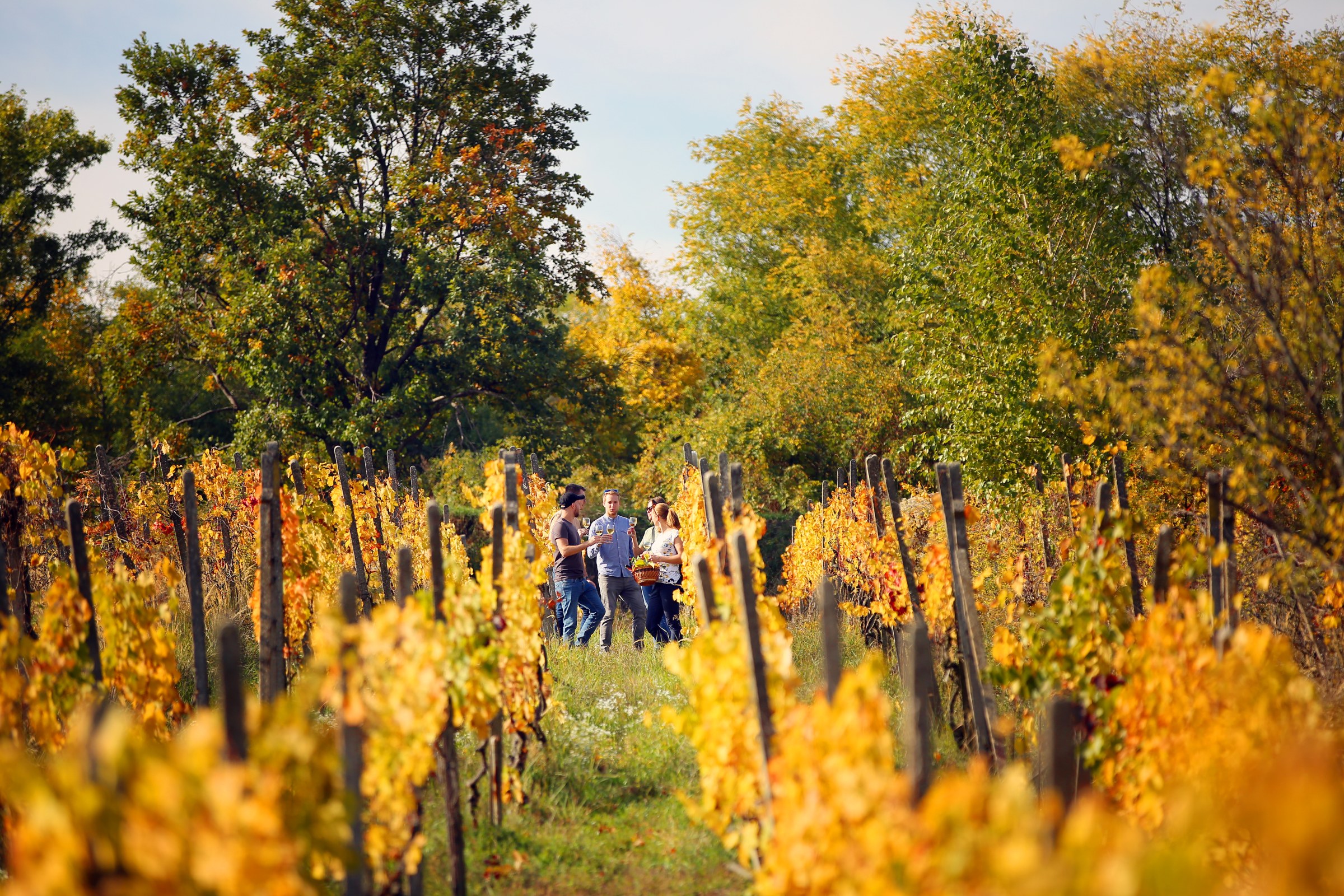
One of the most famous wine districts in the city is Rača. This area has a long winemaking history and remains very active today. Local winemakers regularly open their cellars and vineyards to visitors. Therefore, Rača is ideal for autumn and winter walks, weekend trips, and relaxed bike rides.
Moreover, the Rača Wine Trail (Račiansky vinohradnícky chodník) connects urban streets with the quiet forests and vineyards of the Little Carpathians. Visitors can explore the route on foot or by bicycle. In addition, the popular trail “Into the Forests and Vineyards” leads from Račianske mýto directly to the centre of Rača.

Along the way, the trail offers beautiful views of the city and the countryside. For the best experience, visitors often stop for a glass of wine in a traditional Viecha.
Not far from Rača stands Devín Castle (Hrad Devín). This area is famous for its distinctive blackcurrant wine, devínsky ríbezlák. Furthermore, the ancient vineyards at the confluence of the Danube and Morava rivers form an important part of Bratislava’s wine heritage.

The Little Carpathian Wine Route
Just a few kilometres from Bratislava begins the Little Carpathian Wine Route (Malokarpatská vínna cesta). This famous route links the capital with wine villages such as Svätý Jur, Pezinok, Modra, and Trnava. Consequently, it provides easy access to the heart of Slovak winemaking.
Importantly, this region is considered the most renowned wine area in Slovakia. Its history reaches all the way back to Roman times, when legions helped introduce viticulture to the region.

Practical tips
Many wine villages are easy to reach by public transport or by bicycle. As a result, visitors can plan tastings without needing a car.
Moreover, visitors are encouraged to enjoy wine responsibly. Here, wine represents culture and tradition, not competition.
Bonus: Mead and fruit wines
In addition to classic grape wines, Bratislava also produces mead (medovina) and fruit wines. These sweet, aromatic drinks provide a perfect way to end a tasting or dinner. As such, they offer a different but equally authentic taste of the region.
#visitbratislava
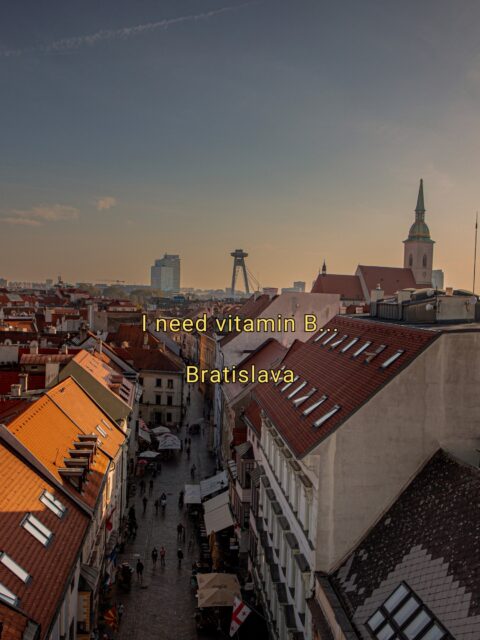
Discover Bratislava the way locals love it — full of flavor, culture, and unforgettable moments.








Tourist Information Center
The tourist information center provides you with up-to-date tips, maps, and recommendations for exploring the region.